Eid-ul-Fitr is more than just the end of Ramadan — it is a celebration of gratitude, togetherness, and renewed joy. Marking the completion of a month of fasting, prayers, and reflection, Eid is a day filled with warmth, delicious food, heartfelt greetings, and, of course, beautiful attire. For many, choosing the perfect outfit is an essential part of the festivities, and Indian outfits hold a special place in Eid celebrations across the subcontinent and beyond.
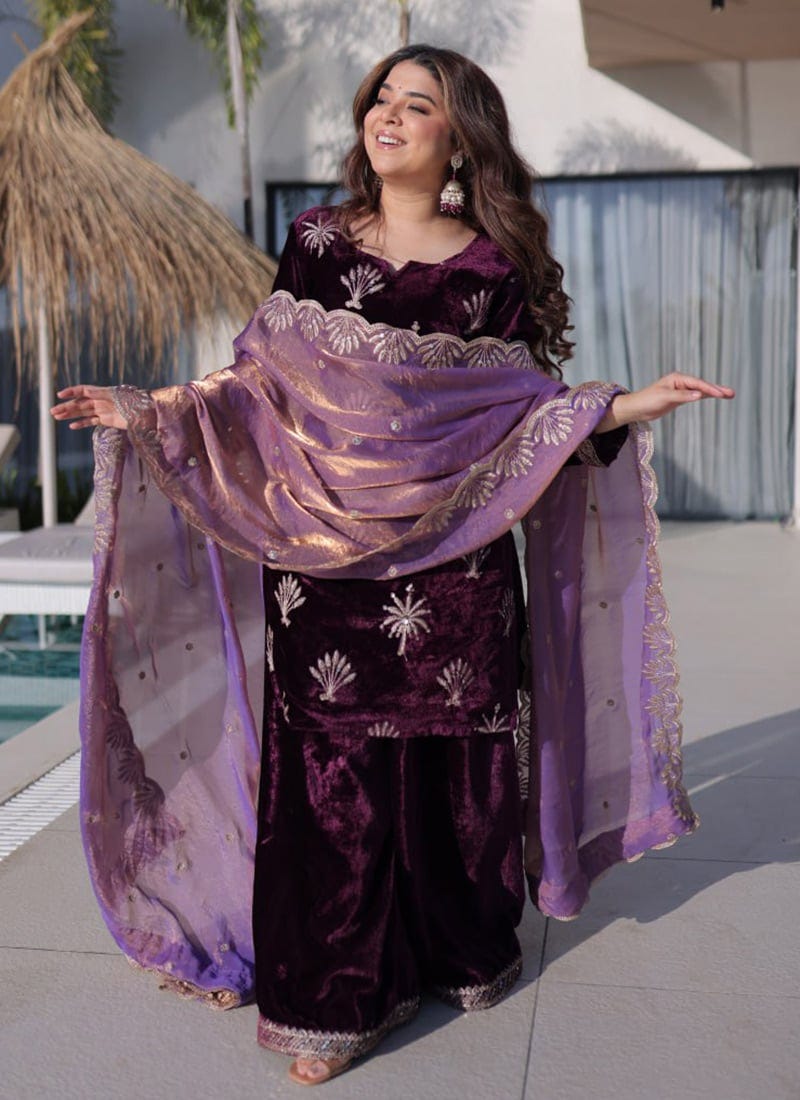
Indian ethnic wear beautifully captures the spirit of Eid-ul-Fitr, blending tradition, elegance, and cultural richness. From intricate embroidery to flowing silhouettes, these outfits reflect festivity while maintaining grace and modesty — values deeply associated with the occasion.
The Significance of Dressing Up on Eid
Dressing well on Eid is not about extravagance; it is about honoring the day. Wearing new or special clothes symbolizes renewal, positivity, and gratitude for the blessings received during Ramadan. In Indian culture, clothes are also a way to express identity and heritage, making ethnic wear a natural choice for Eid-ul-Fitr celebrations.
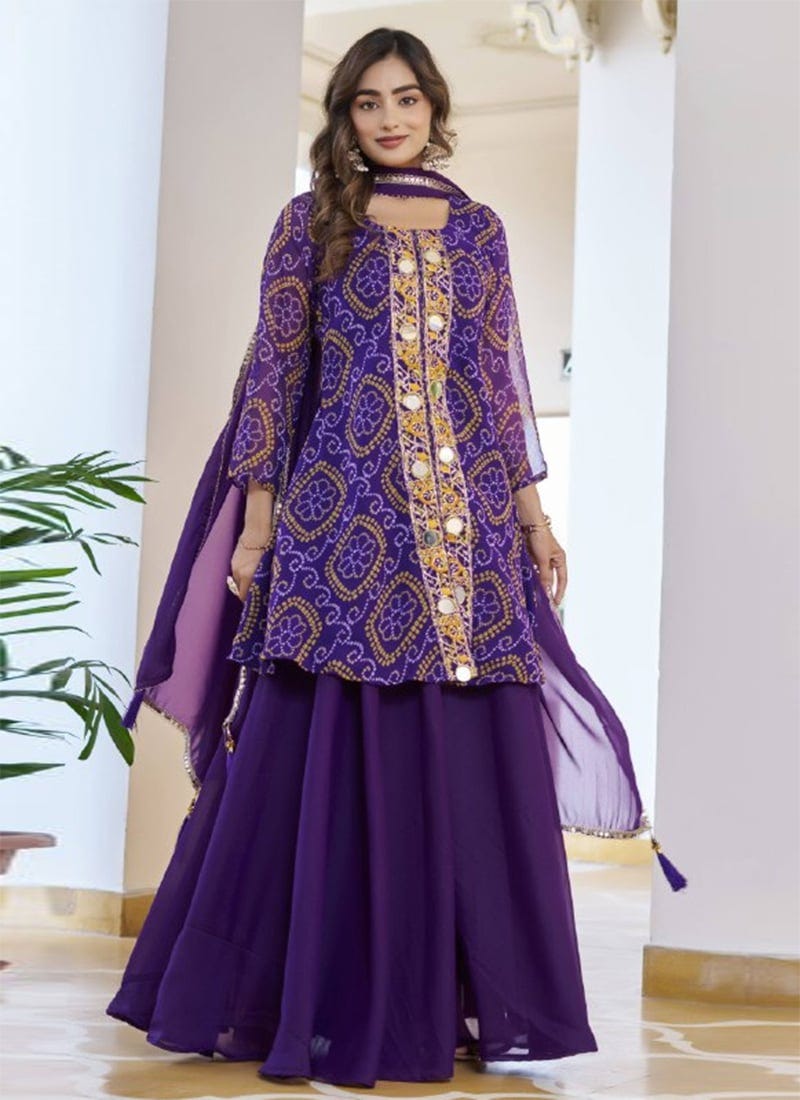
Indian outfits are particularly popular because they offer a wide range of styles suitable for all ages, body types, and personal preferences. Whether you prefer understated elegance or festive grandeur, there is an Indian outfit that perfectly complements the spirit of Eid.
Popular Indian Outfits for Eid-ul-Fitr
1. Anarkali Suits
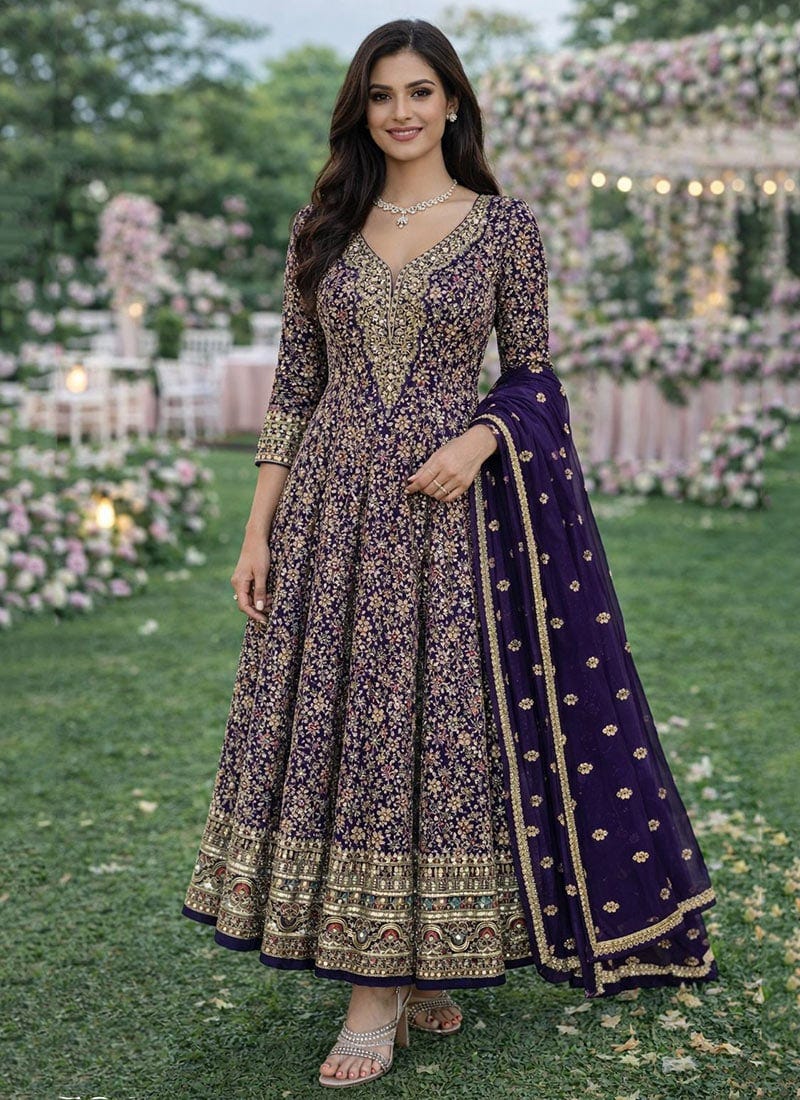
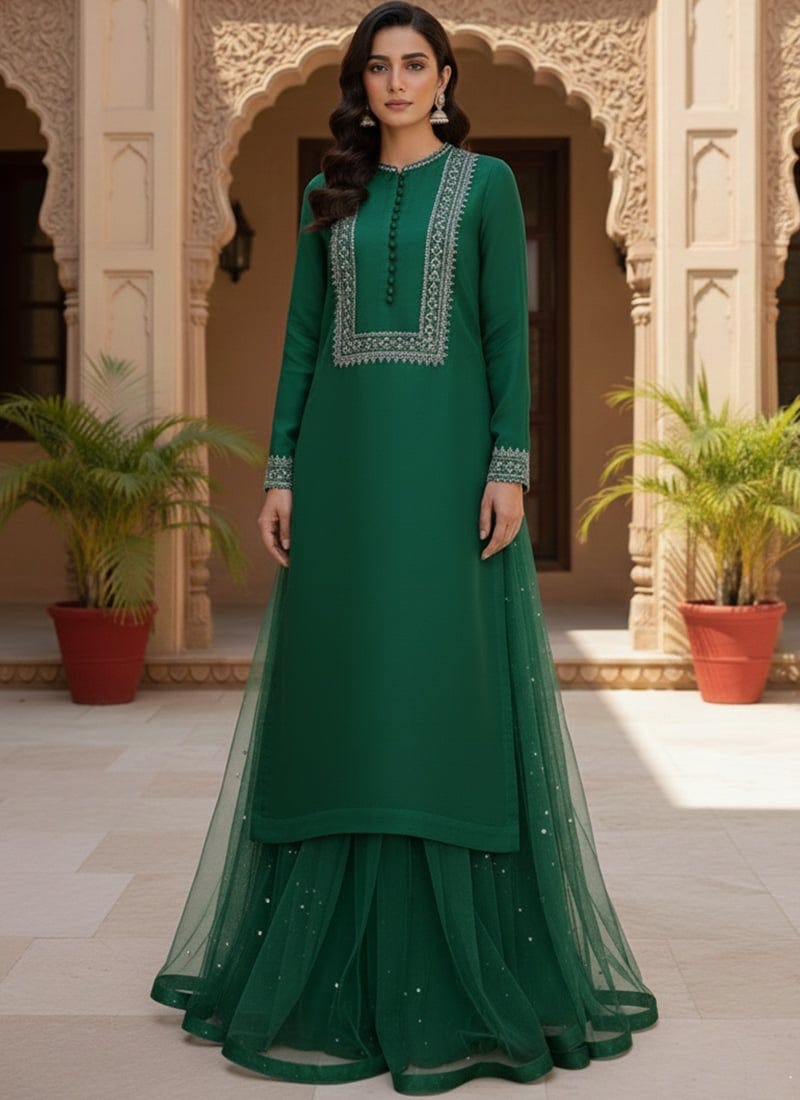
Anarkali suits are a timeless favorite for Eid. Their long, flowing silhouettes and regal appeal make them ideal for prayers, family gatherings, and festive meals. Often adorned with zari work, sequins, or subtle embroidery, Anarkalis strike the perfect balance between sophistication and comfort. Soft pastel shades work well for daytime celebrations, while jewel tones like emerald, maroon, and navy add drama for evening gatherings.
2. Sharara and Gharara Sets
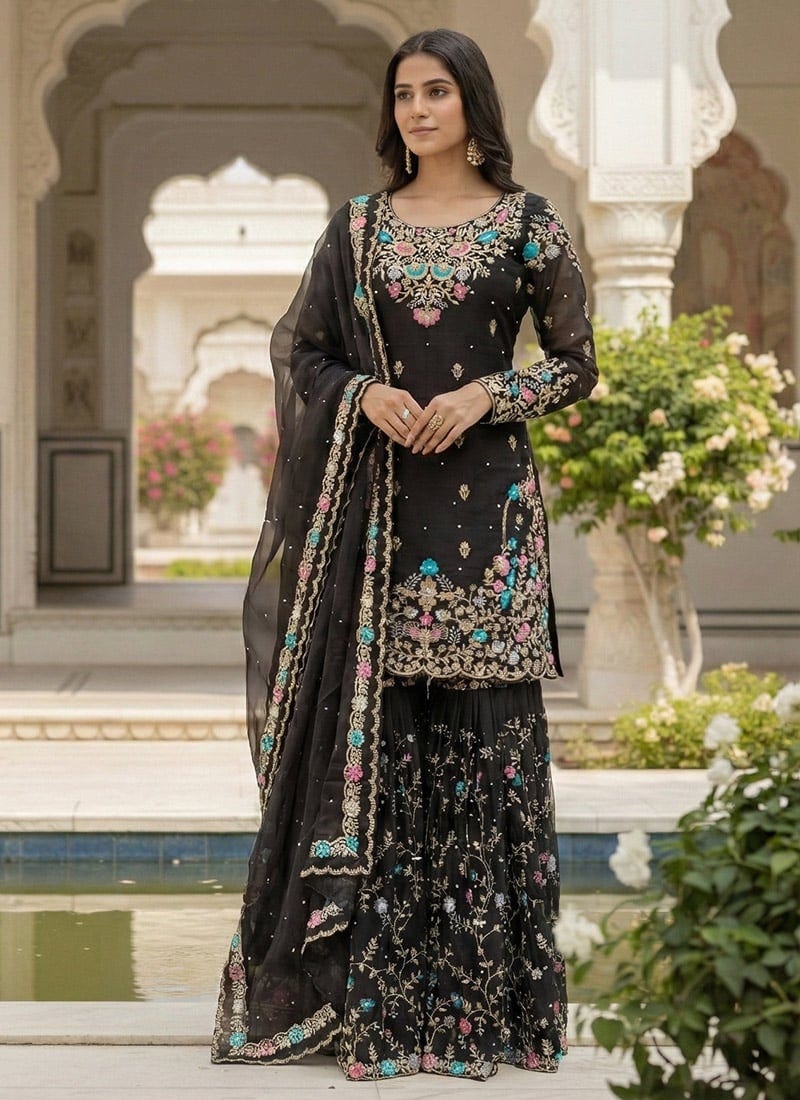
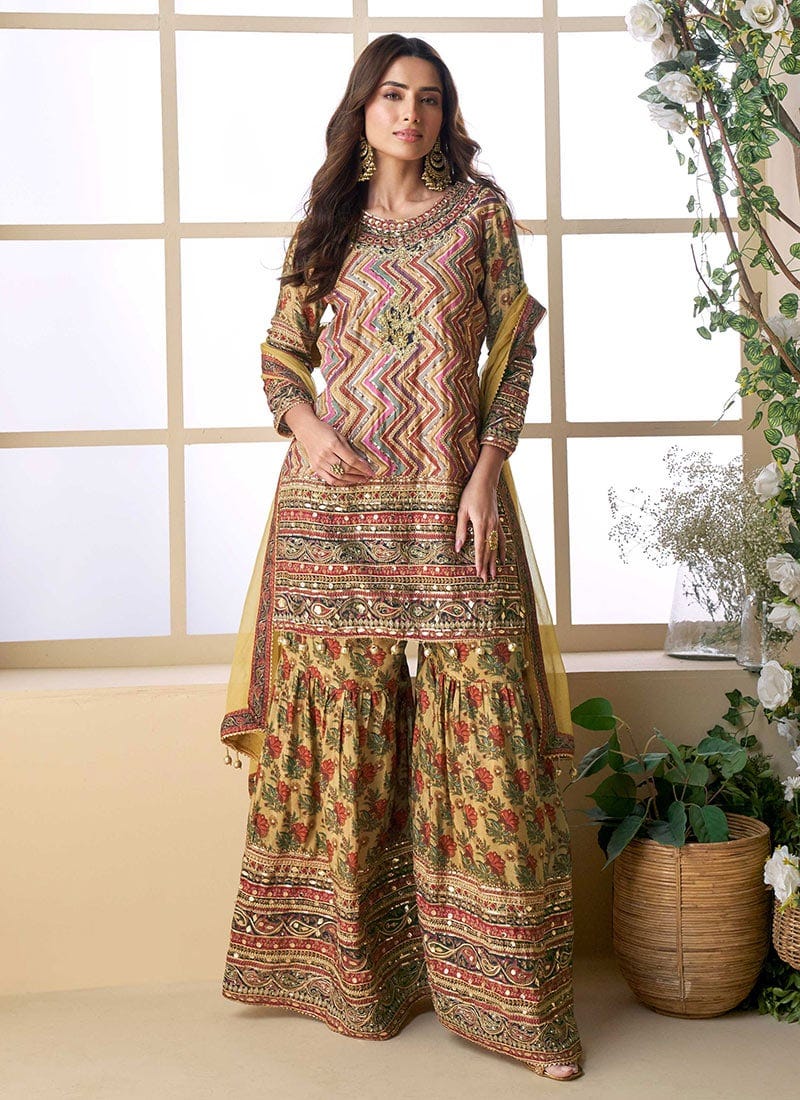
Sharara and gharara outfits have seen a strong revival in recent years, especially during Eid. With their flared bottoms and richly embellished kurtas, these outfits exude festive charm. Traditionally associated with Mughal-era fashion, they bring a royal touch to modern celebrations. Pairing them with a short kurti and a dupatta draped gracefully completes the look.
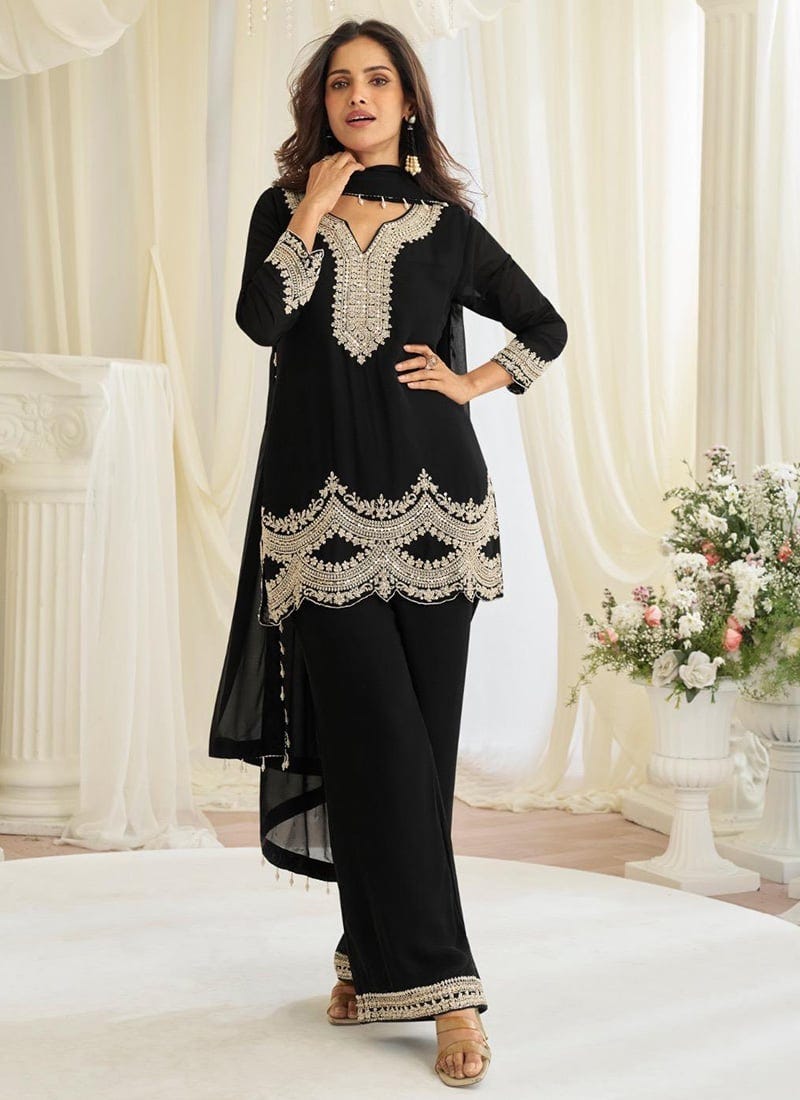
3. Straight-Cut and Palazzo Suits
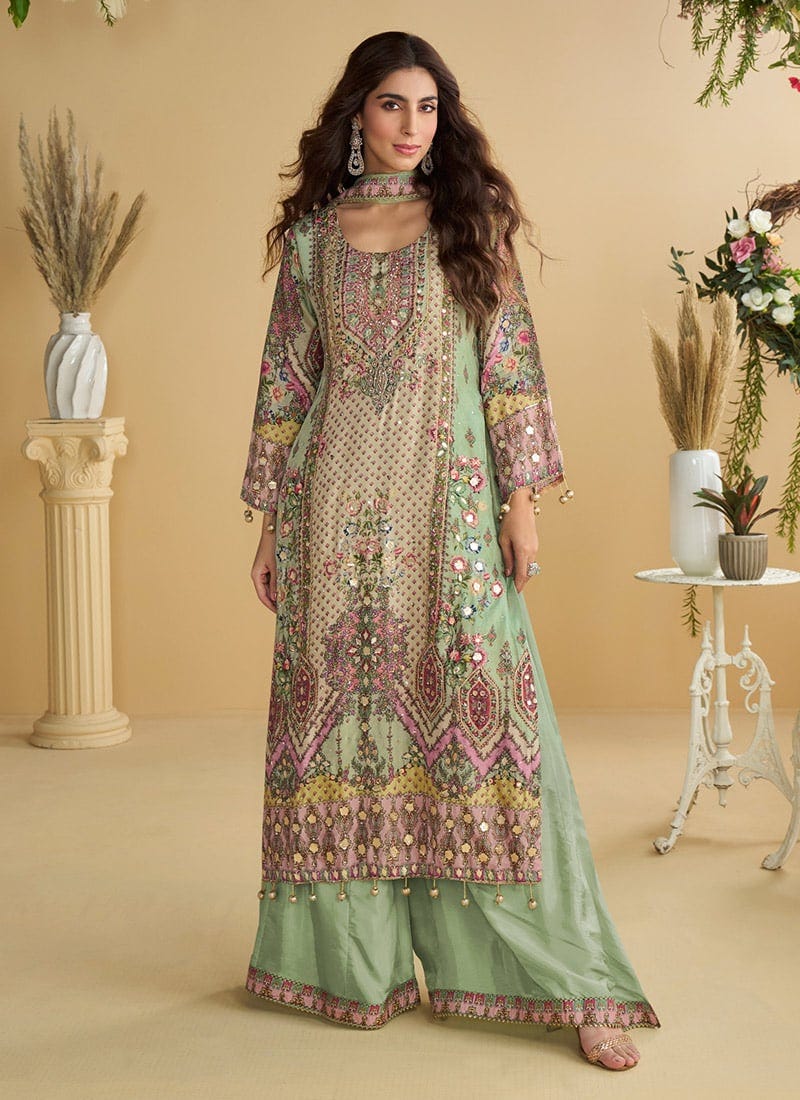
For those who prefer a modern yet traditional look, straight-cut suits paired with palazzos are an excellent choice. They are comfortable, stylish, and perfect for long days filled with prayers and social visits. Minimal embroidery, elegant prints, and breathable fabrics like cotton silk or georgette make these outfits both practical and festive.
4. Lehengas for a Grand Eid Look
Although often associated with weddings, lightweight lehengas are becoming increasingly popular for Eid-ul-Fitr, especially for evening celebrations. When styled modestly with full-sleeve blouses and dupattas, lehengas can be both appropriate and stunning. Soft fabrics, floral motifs, and subtle embellishments help keep the look refined rather than overpowering.
5. Kurtis with Traditional Bottoms
For a simpler celebration or casual family gathering, a beautifully designed kurti paired with churidars, palazzos, or skirts works wonderfully. This option is ideal for those who want elegance without heavy ornamentation. Hand-embroidered details, mirror work, or block prints can add a festive touch.
Fabrics That Shine During Eid
Choosing the right fabric is essential for comfort, especially since Eid often involves long hours of socializing and feasting. Popular fabrics for Indian Eid outfits include:
Silk and Silk Blends: For a luxurious feel and traditional appeal

Chiffon and Georgette: Lightweight and graceful, perfect for flowing silhouettes
Cotton and Muslin: Ideal for warmer climates and daytime wear
Organza: Adds structure and elegance for a more formal look
Colors That Reflect Eid Joy
Eid-ul-Fitr outfits are known for their vibrant yet elegant color palettes. While classic shades like white, ivory, and beige symbolize purity and peace, festive colors such as emerald green, royal blue, blush pink, lavender, and gold are equally popular. Many people opt for pastels during morning prayers and richer hues for evening celebrations.
Accessories to Complete the Look
No Indian outfit is complete without the right accessories. Traditional jewelry such as jhumkas, chandbalis, bangles, and delicate necklaces elevate the festive look. A statement dupatta, embroidered clutch, and embellished footwear like juttis or sandals add the finishing touches. Keeping makeup soft and glowing, with kohl-lined eyes and a hint of shimmer, enhances the overall elegance.
Embracing Tradition with a Modern Touch
One of the most beautiful aspects of Indian outfits for Eid-ul-Fitr is their versatility. You can stay rooted in tradition while adding modern elements — whether through contemporary cuts, fusion styling, or minimalist designs. This adaptability allows everyone to express their personal style while honoring cultural values.
Celebrating Eid in Style and Spirit
Eid-ul-Fitr is a celebration of faith, family, and joy, and Indian outfits beautifully mirror these sentiments. Each stitch, fabric, and silhouette tells a story of heritage and celebration. By choosing an outfit that resonates with both tradition and comfort, you not only look festive but also feel confident and connected to the true essence of Eid.
Comments
Post a Comment